All posts
2026 35
-
model
Kimi K3.1 Pro
One of the world's most intelligent models is (soon-to-be) open weight.

-
paper
Context Language Models
Language models that manage their own context.

-
model
Gemini 4 Argon
Google's long-awaited new frontier model.

-
model
Muse Wonder
Opus 5.5 quality model that supports audio.

-
essay
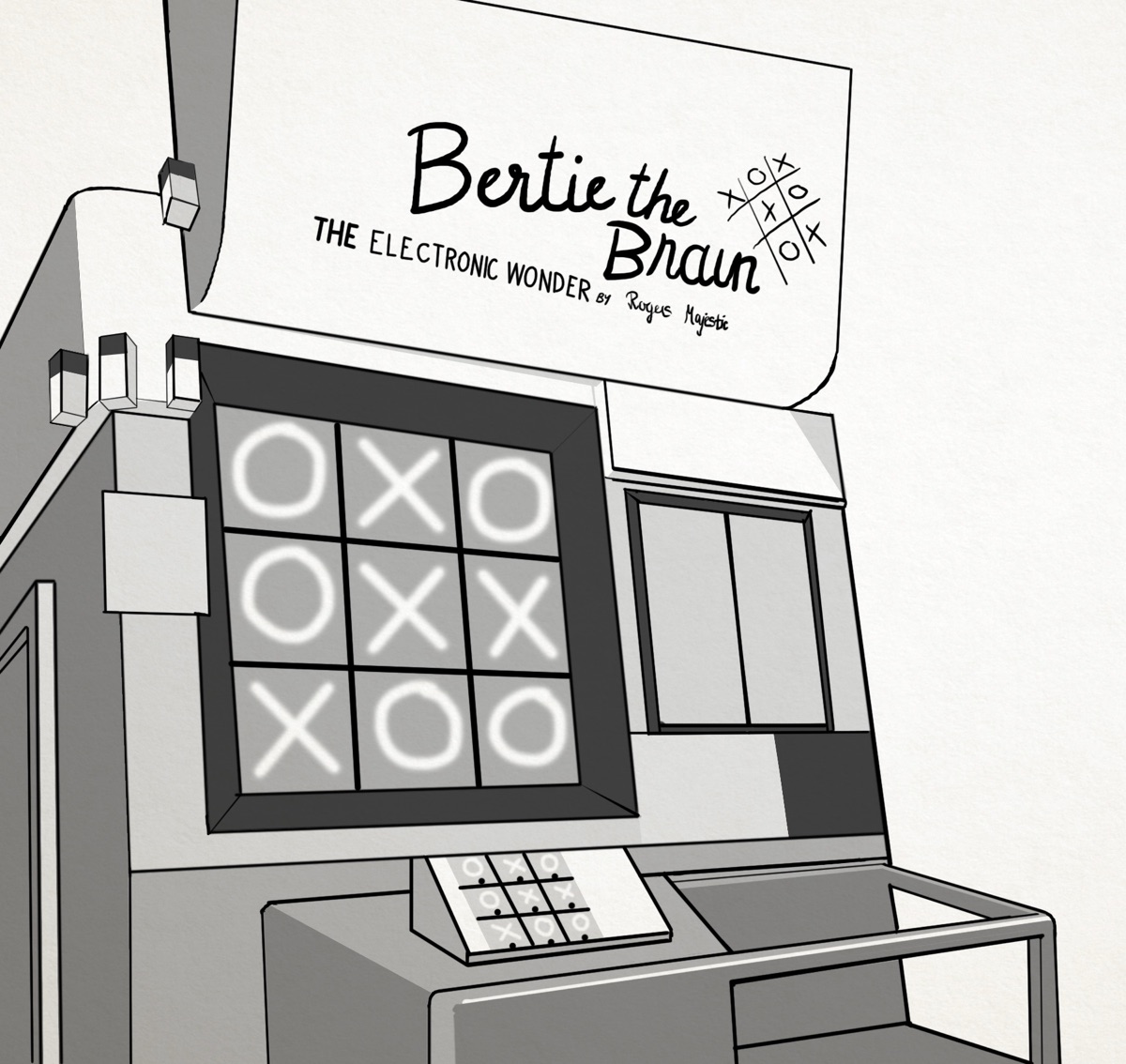
Building an agent harness from scratch to pass Ian Goodfellow's intelligence test
What was once considered a test of "real AI" - now built entirely in a single blog post.
-
paper
Harness Engineering Anatomy, Architecture, and Evolution of Coding Agents
A source-code comparison of eleven agent harnesses and the seven parts they have in common.
-
model
Claude Haiku 5.5
New Haiku-class model - this time an actual new Haiku model.

-
essay
Can Claude Opus 5.5 find any new leads on Satoshi Nakamoto?
Let's see if Claude can find anything that the New York Times missed.

-
model
GPT 6 Sol and Luna
Another insanely good value-for-money offering from OpenAI

-
model
Claude Opus 5.5
Better, faster, and cheaper. Doesn't feel like we're slowing down.

-
paper
An Empirical Study of Harness Design for Coding Agents
An ablation of planning, tools and context management configurations for coding agents.
-
essay
Giving Up on Smart Rings
The downsides to wearing a fitness-tracking device on your finger

-
news
MCP is Now a Stateless Protocol
A new MCP specification that removes handshakes and mandatory sessions.

-
model
Qwen3.8-Max
A new frontier model from the Qwen team
-
paper
LLM Agents Do Not Reliably Follow Company Policies
A new benchmark that tests whether AI agents can follow long company policies during realistic work

-
paper
Decomposing LLM Judge Scores Into Yes/No Questions
An LLM-judge approach that brings interpretability and actionability to your scores.

-
news
OpenAI and Hugging Face security incident - July 21, 2026
Ultimate benchmaxxing: hacking Hugging Face for test answers.
-
model
Kimi K3
Moonshot AI's 2.8T open-weight frontier model for coding and knowledge work.
-
essay
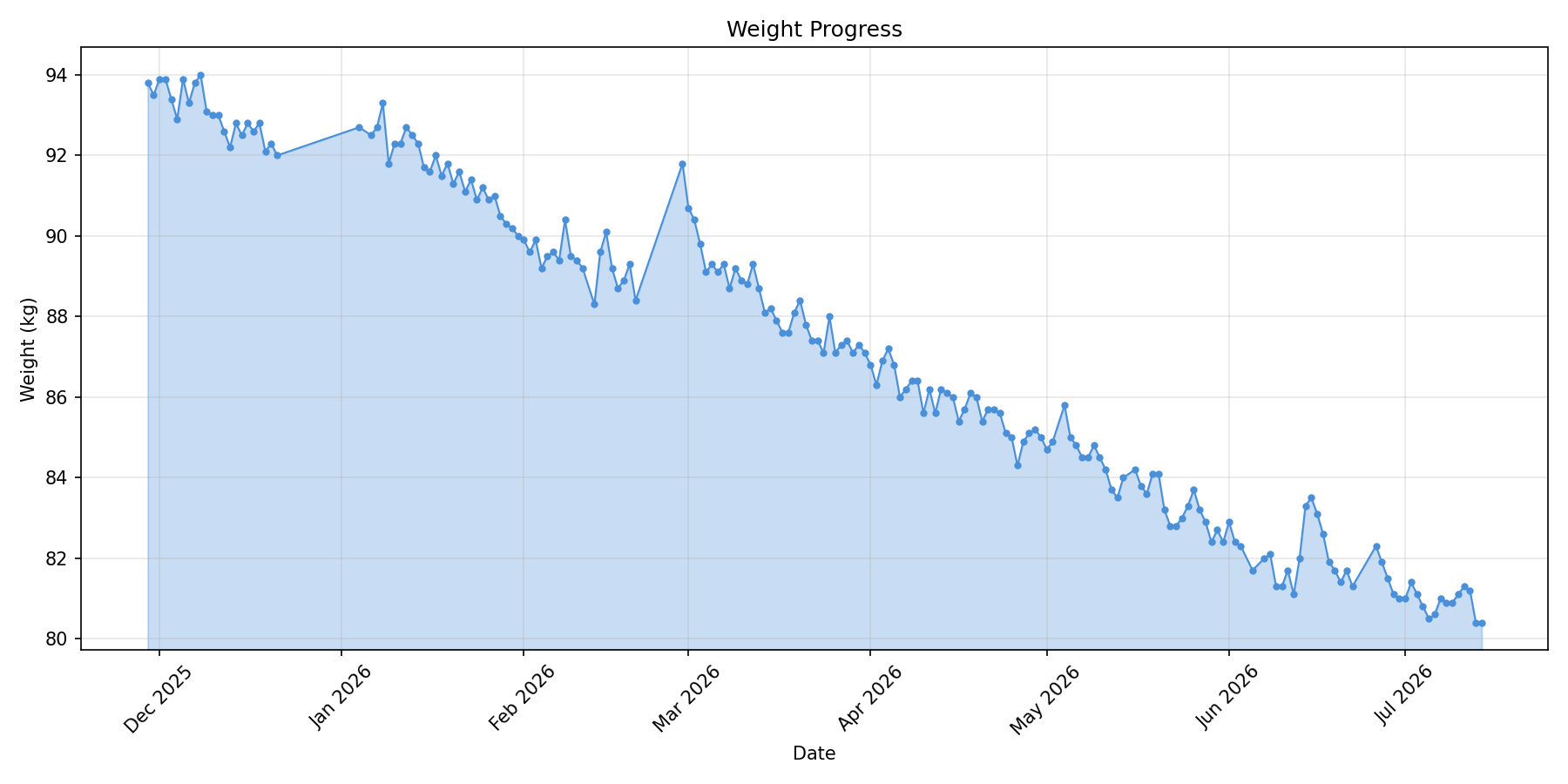
6 Months of OpenClaw
Macros, workouts and life admin.
-
essay
Completing A Computer Science Degree On Coursera
A short write-up on my experience completing a Computer Science BSc from my bedroom.

-
essay
Shipping a Laptop to a Refugee Camp in Uganda
The surprisingly difficult ordeal of sending a decade-old MacBook to a friend in a Ugandan refugee camp.

-
paper
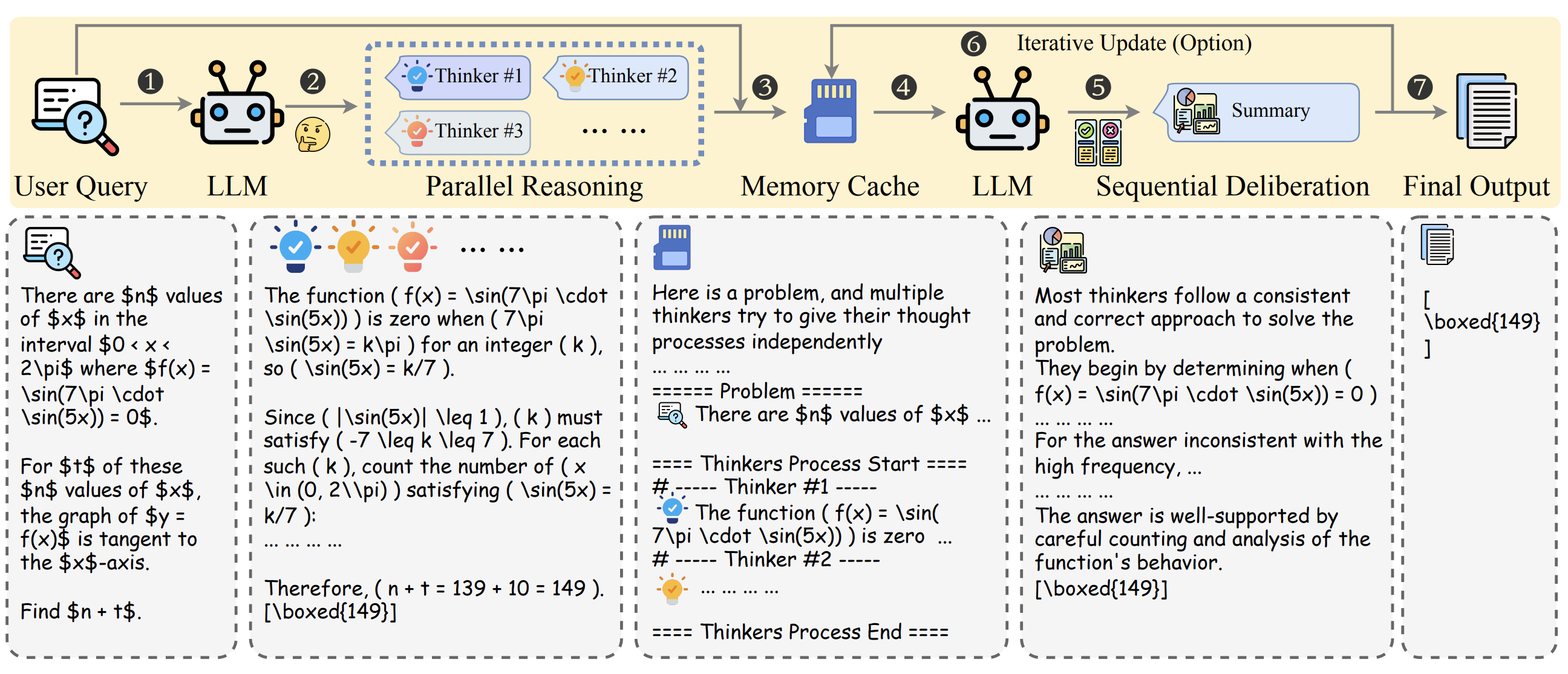
Heavy Thinking: A Test-Time Scaling Pattern for Hard Problems
Now we have GPT Pro at home
-
paper
LLMs Corrupt Your Documents When You Delegate
A large-scale study on long-horizon document tasks.

-
essay
AI-Induced Cognitive Atrophy
We probably need to do deliberate daily mental exercise

-
note
LLM Training Pipeline
The two steps to training modern LLMs.

-
paper
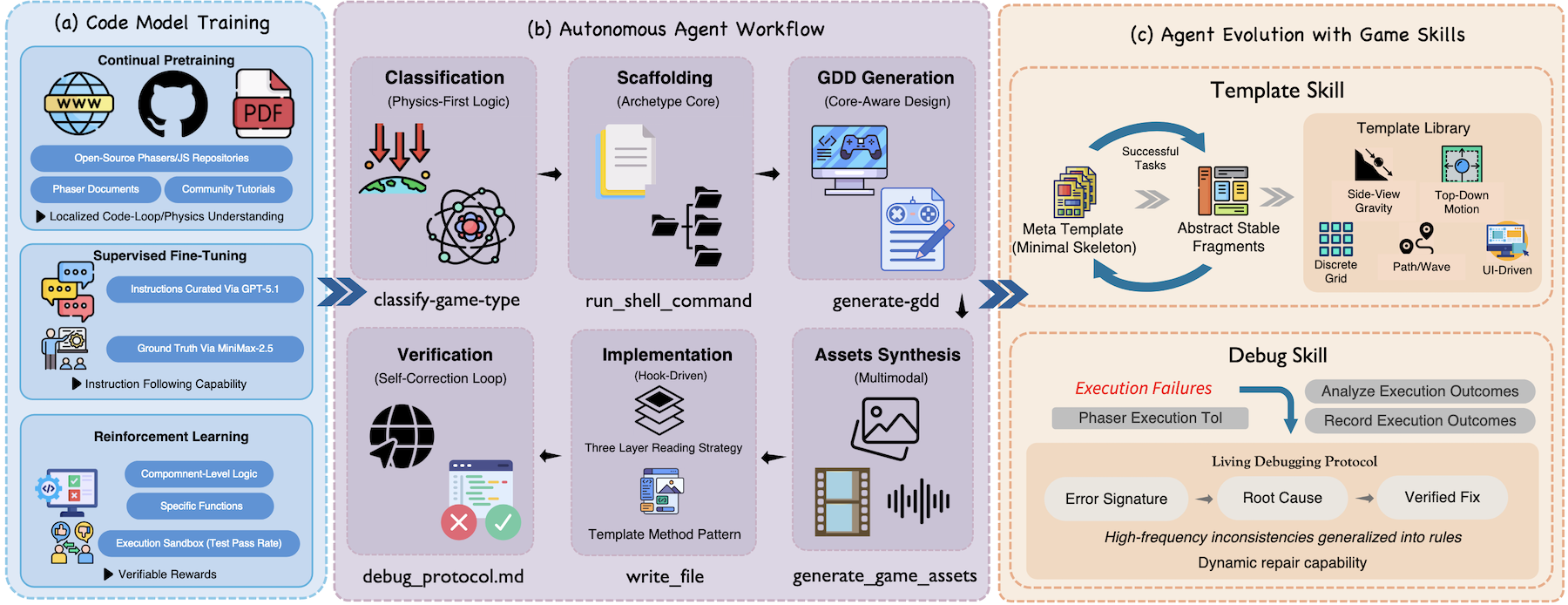
OpenGame: Open Agentic Coding for Games
An agentic framework for end-to-end game creation
-
essay
Naming Things Is Easy Now
I guess there is only one hard thing left in Computer Science?

-
project
Obsidian Markdown Notebook: code execution with outputs stored in the file
A Jupyter Notebook-style Obsidian plugin that runs code in your notes and stores the outputs directly in the Markdown file.

-
essay
Research, Plan, Implement Workflow
An approach to agentic software development that I use

-
paper
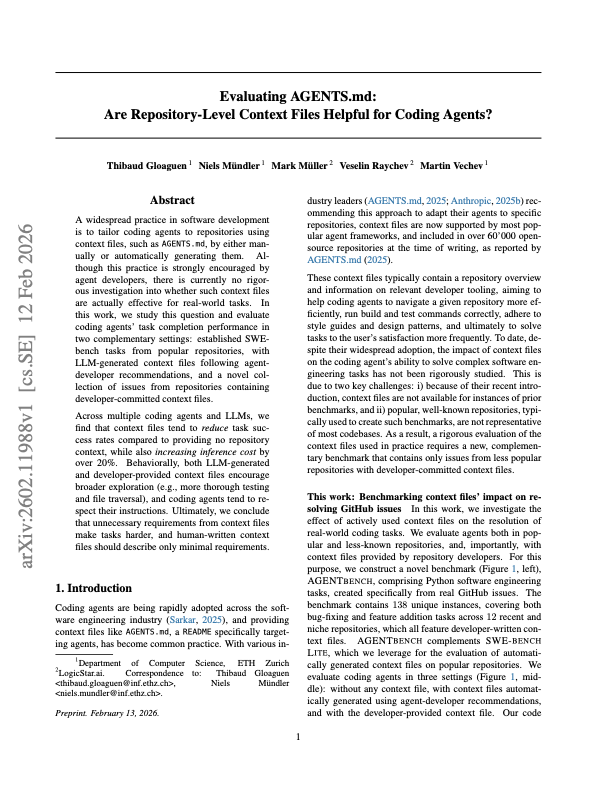
Self-Generated Agent Context Files Don't Help Either
Self-generated agent context files don't help.
-
paper
Self-Generated Skills Don't Help
Curated skills boost agent performance by 16 points; self-generated ones don't help at all.

-
paper
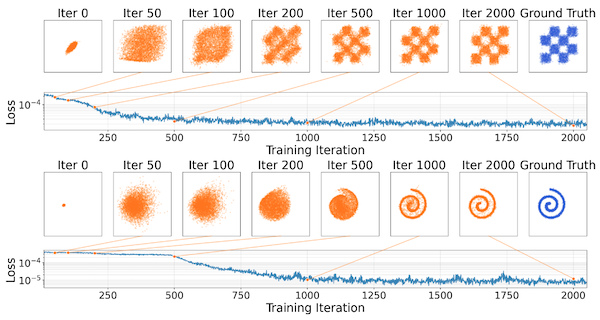
Generative Modelling via Drifting
A new paradigm for single-step generative modelling
-
essay
Software Factory
is verification the future of software engineering?

-
essay
OpenClaw: the missing piece for Obsidian's second brain
how I integrate OpenClaw into my Obsidian vault

-
essay
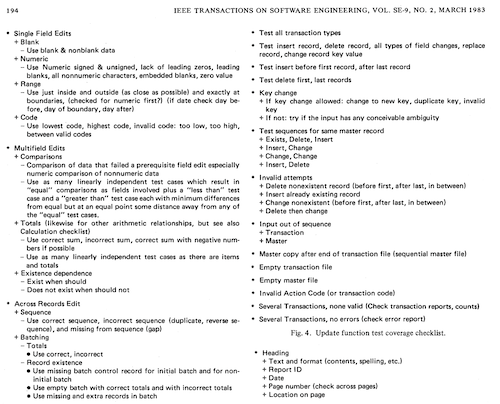
Spec-First LLM Development
in which the LLM maintains a spec file alongside the project
2025 26
-
project
Title As Link Text: automatic note titles in Obsidian links
An Obsidian plugin that automatically replaces filenames in your links with the actual note title, supporting both Wikilinks and Markdown links.
-
note
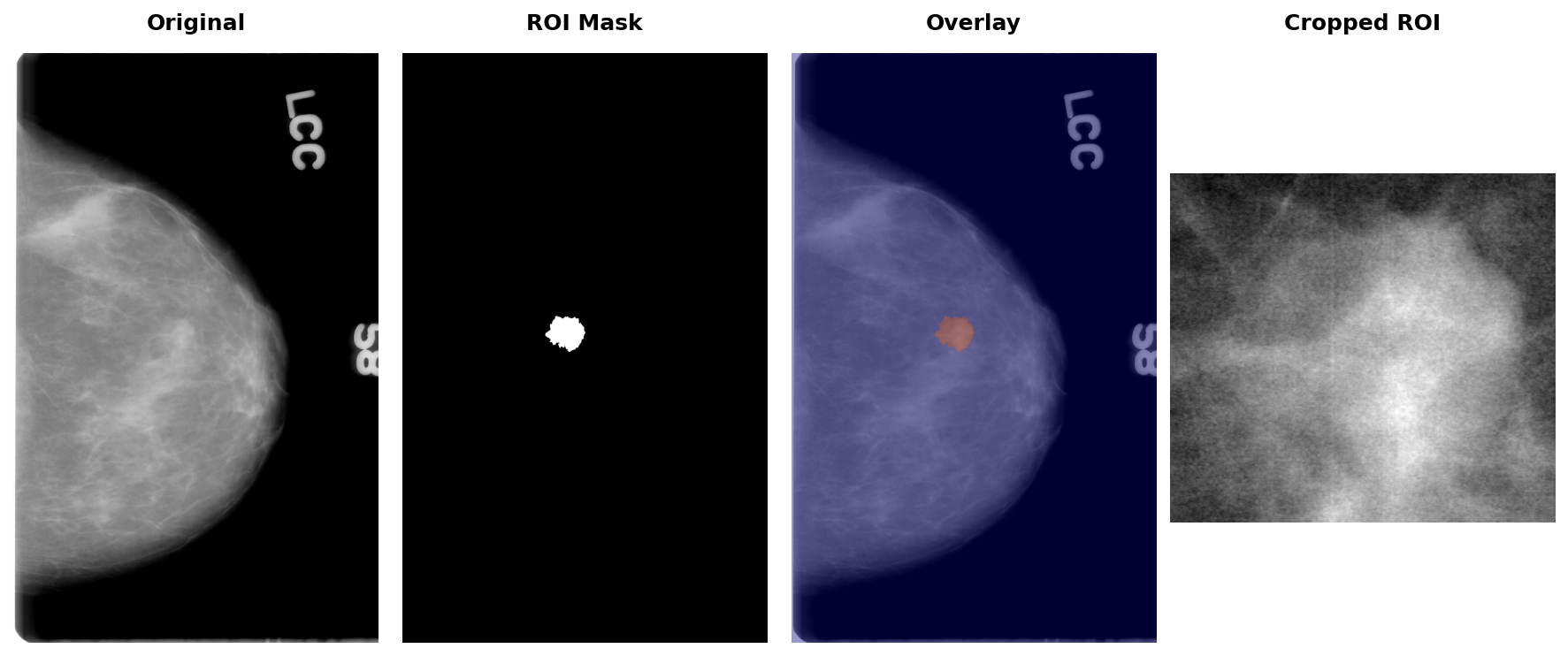
CBIS-DDSM Mammography Dataset
ImageNet for Mammography
-
note
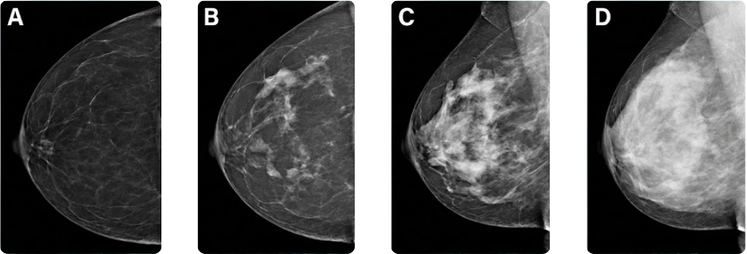
Mammography
A breast cancer screening method
-
note
SPARQL
a query language for RDF databases
-
note
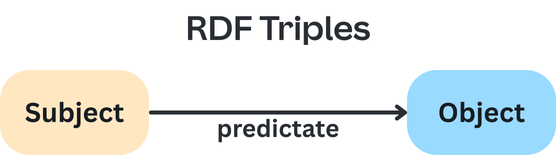
RDF
A graph-based data model for the Semantic Web
-
note
Logical Reasoning
Describing the 3 types of logical reasoning: Abduction, deduction and induction.

-
note
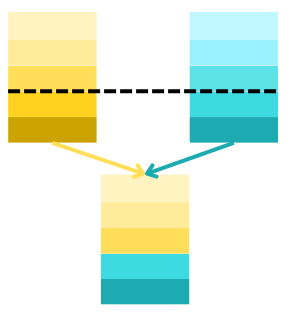
Genetic Algorithms
an optimisation technique inspired by natural selection
-
note
LLM Reasoning
How LLMs use intermediate reasoning tokens, from chain-of-thought prompting to trained reasoning models, and how this relates to other forms of reasoning.

-
paper
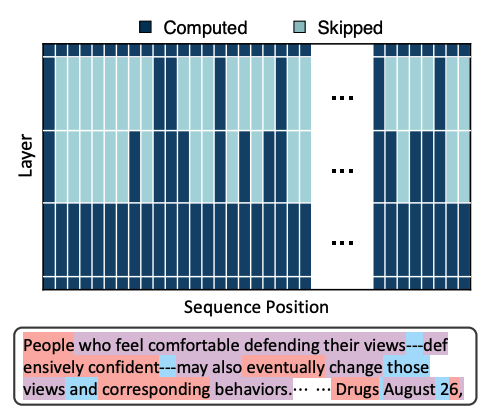
Optimising Computation At The Token-Level
Optimising computation at the token-level
-
essay
Absurdly Good Doggo Consistency with FLUX.1 Kontext
Experiments with multi-turn character consistent editing

-
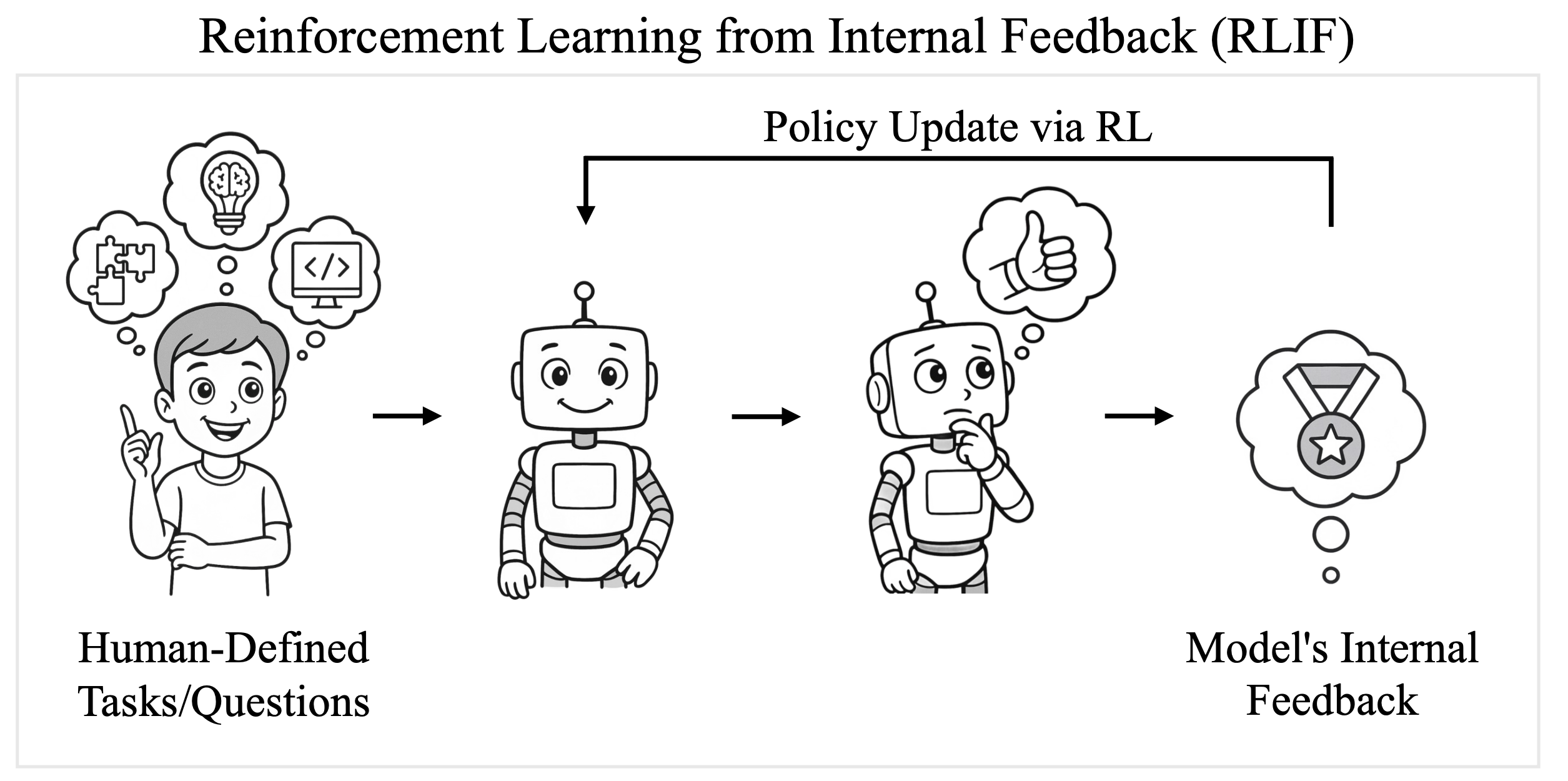
paper
Learning to Reason without External Rewards
aka Self-Confidence is All You Need
-
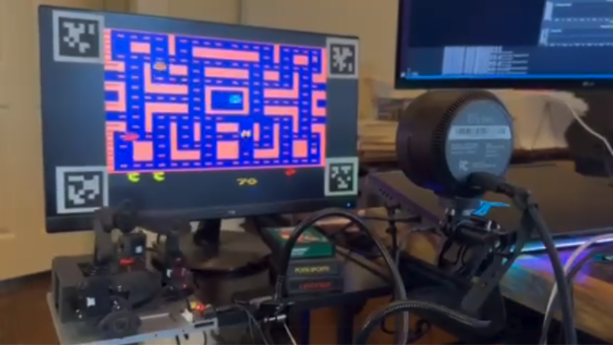
talk
John Carmack is working on game-playing robots
on John Carmack's Upperbound 25 Talk Notes
-
essay
Imagen 4 is faster, but GPT is still the GOAT
a few comparisons of Google's Imagen 4 vs OpenAI's gpt-image-1

-
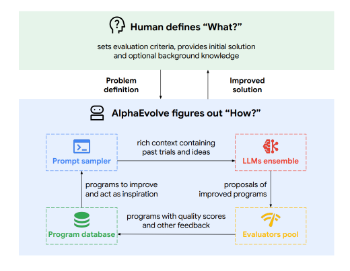
paper
Vibe-Coding Mathematical Discoveries
Using evolutionary algorithms with LLM-coding agents
-
paper
NoProp: Training Neural Networks Without Back-Propagation or Forward-Propagation
an alternative training method to backprop that does local layer learning
-
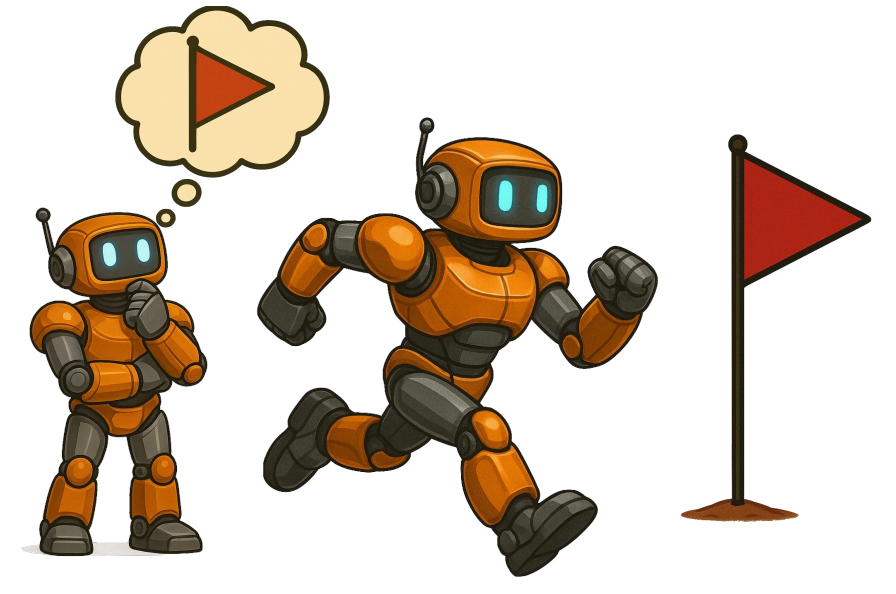
paper
Absolute Zero: Reinforced Self-play Reasoning with Zero Data
learn to reason without any human-annotated data.
-
paper
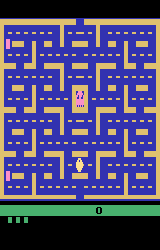
Playing Atari with Deep Reinforcement Learning
a classic paper applying neural networks to RL for game playing
-
note
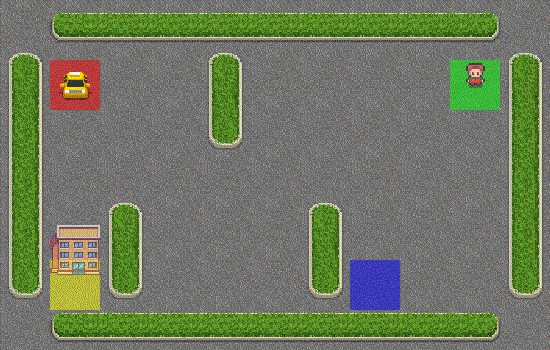
Q-Learning
a reinforcement learning algorithm for finding optimal policies
-
note
Markov Decision Process (MDP)
A mathematical framework for modelling decision-making under uncertainty

-
note
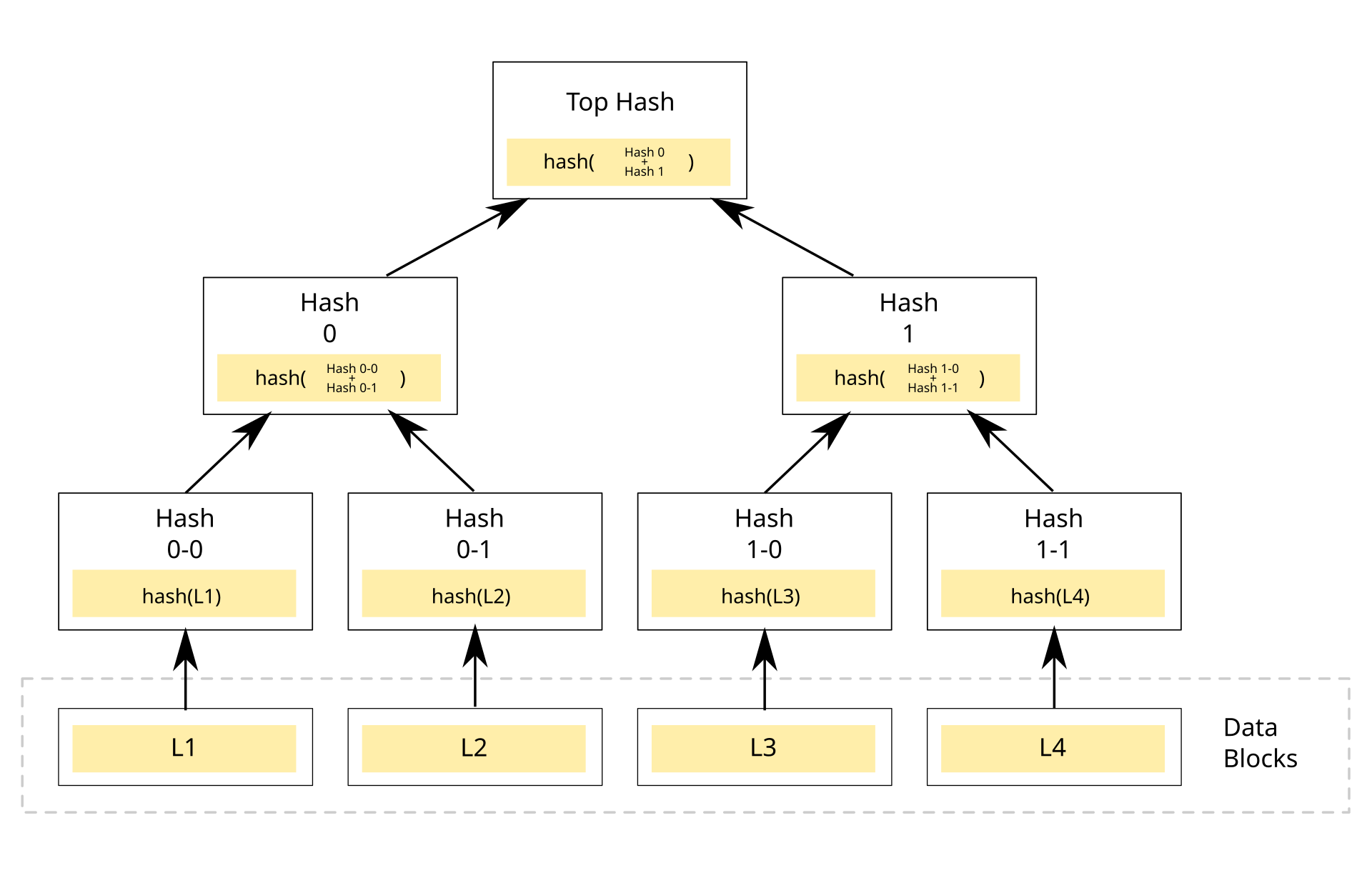
Merkle Tree
a data structure where each node contains the hash of its child nodes
-
note
RSA
a public-key encryption system reliant on the practical difficulty of factorising large numbers
-
note
Spanning Tree
a sub graph of a connected graph that contains all vertices, but no cycles
-
note
Bucket Sort
a distribution-based sorting algorithm that works by dividing elements into buckets
-
note
Temperature Scaling
a parameter that controls how confident Softmax predictions are
-
note
Few-Shot Knowledge-Distillation
Routes LLM tasks to cheaper or more powerful models based on task novelty.
-
paper
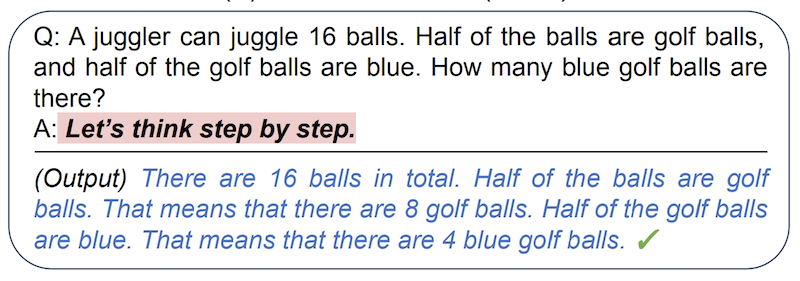
Large Language Models are Zero-Shot Reasoners (May 2022)
improve zero-shot prompt performance of LLMs by adding “Let’s think step by step” before each answer
2024 25
-
paper
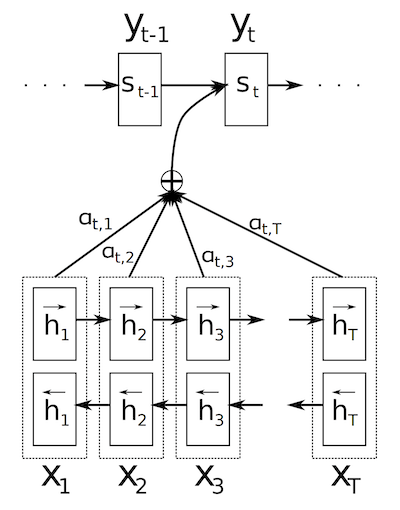
Neural Machine Translation by Jointly Learning to Align and Translate (Sep 2014)
improve the Encoder/Decoder alignment with an Attention Mechanism
-
paper
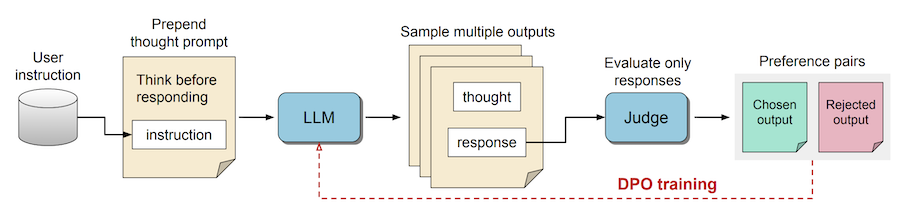
Thinking LLMs: General Instruction Following with Thought Generation (Oct 2024)
a prompting and fine-tuning method that enables LLMs to engage in a "thinking" process before generating responses
-
paper
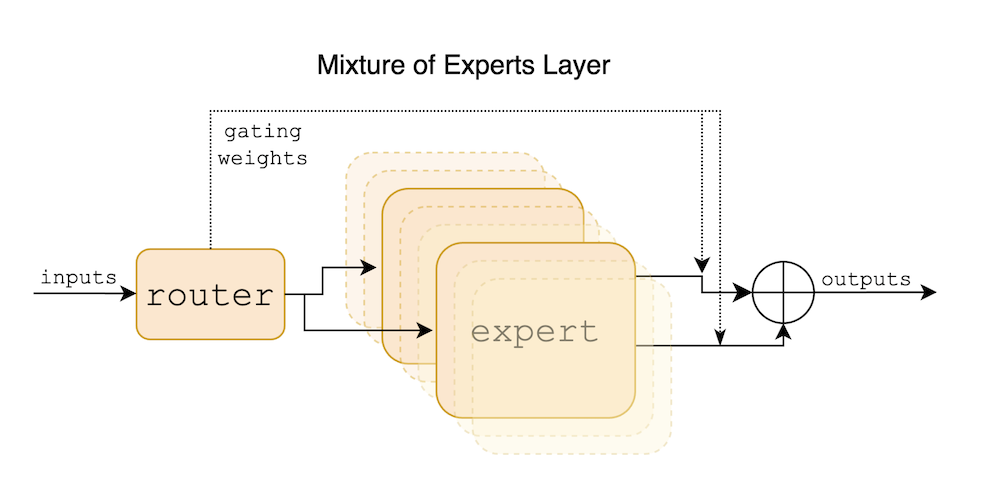
Mixtral of Experts (Jan 2024)
a Sparse Mixture of Experts (SMoE) language model
-
paper
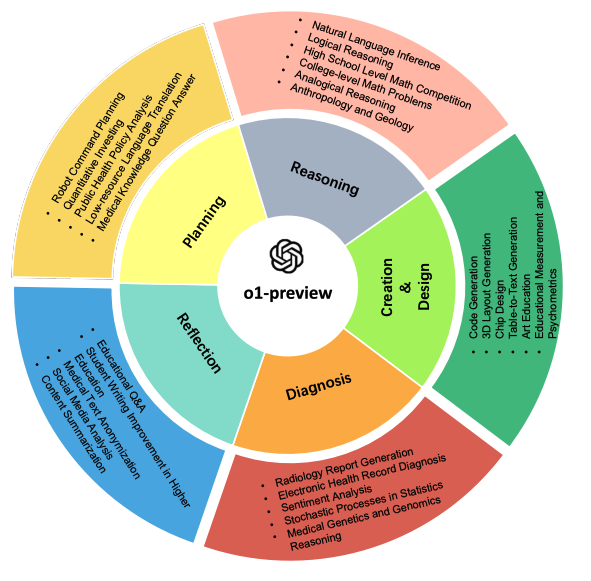
Evaluation of OpenAI o1: Opportunities and Challenges of AGI
a comprehensive evaluation of o1-preview across many tasks and domains.
-
paper
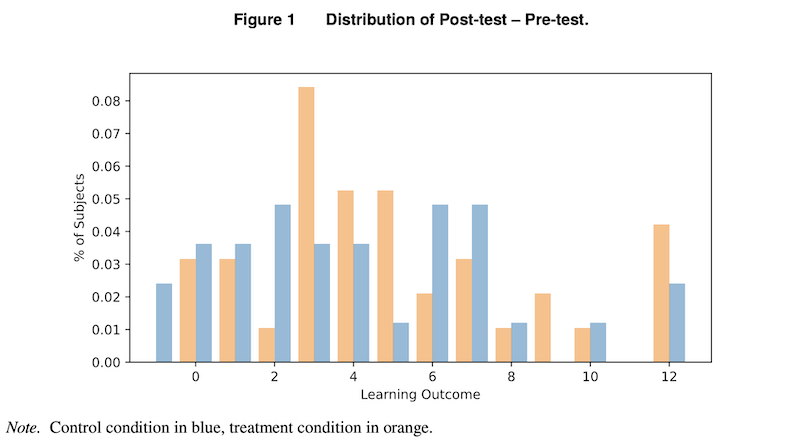
AI Meets the Classroom: When Does ChatGPT Harm Learning?
LLMs can help and also hinder learning outcomes
- note System 2 Thinking
-
paper
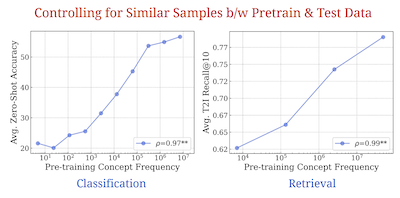
No 'Zero-Shot' Without Exponential Data: Pretraining Concept Frequency Determines Multimodal Model Performance
a paper that shows a model needs to see a concept exponentially more times to achieve linear improvements
-
note
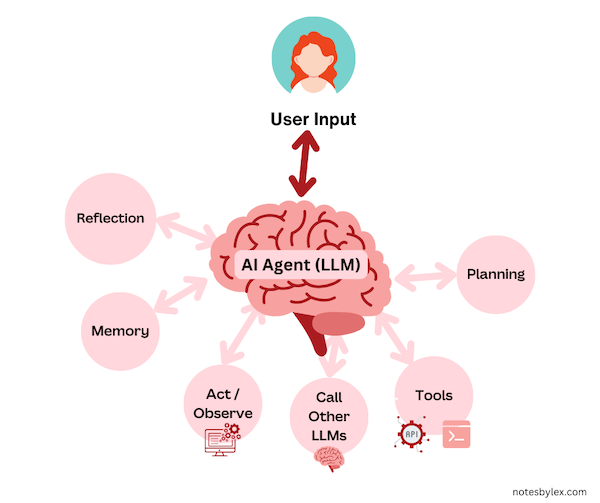
Agentic Reasoning
an approach to utilising LLMs that involve multi-state interactions.
-
note
Bayes Theorem
Update the probability of an event based on new evidence

-
note
Waffle Chart
A data visualization that uses squares along a 2D grid for representing proportion.

-
note
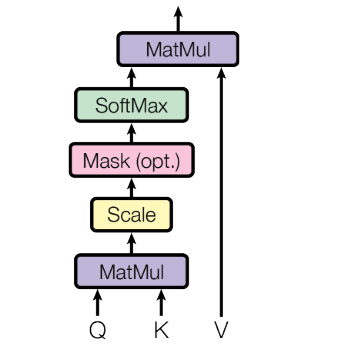
Scaled Dot-Product Attention
The specific self-attention formulation from the Transformer paper, distinguished by scaling scores by the square root of the attention dimension.
-
note
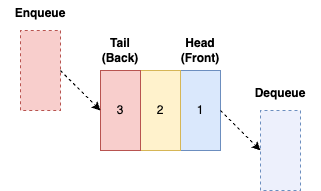
Queue
a sequential data structure where we can add an element to the tail, or remove an element from the head.
-
note
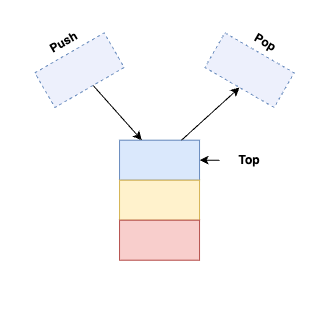
Stack
a data structure where only the top element is accessible
-
note
Gale-Shapley Algorithm
an algorithm that matches 2-equally sizes groups based on preferences.

-
note
Merge Sort
a popular divide-and-conquer sorting algorithm
-
paper
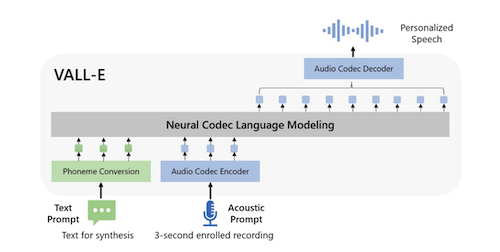
Neural Codec Language Models are Zero-Shot Text-to-Speech Synthesizers
VALL-E can generate speech in anyone's voice with only a 3-second sample of the speaker and some text
-
note
Self-Attention
A method of computing a token representation that includes the context of surrounding tokens.
-
essay
Software Development is a Trade
we should educate developers accordingly

-
note
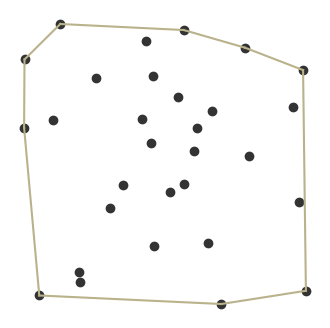
Convex Hull
the smallest polygon that contains a set of points
-
note
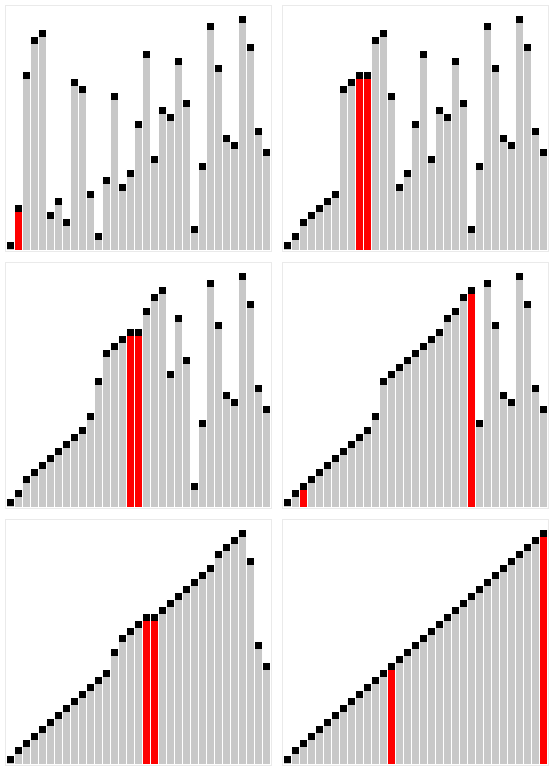
Insertion Sort
a widely-known iterate sorting algorithm
-
note
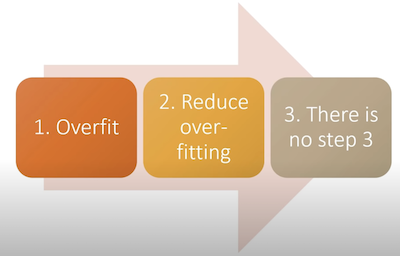
Overfit First
the first step to training a neural network successfully
-
note
Residual Vector Quantisation
A tokeniser for audio

-
note
Snake Activation Function
An activation function for modelling data with periodicity (repeating patterns)

-
note
Leaky ReLU
An activation function that outputs a small value for negative numbers

-
note
ReLU
An activation function that replaces negative values with zero

2023 23
-
note
Module Coupling
A measure of the interdependence between software modules

-
note
Module
A distinct and identifiable unit of code

-
note
Module Cohesion
How elements of a module relate to each other

-
paper
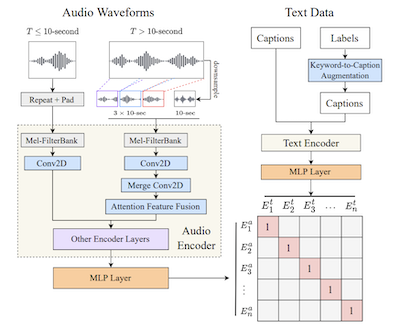
Large-scale Contrastive Language-Audio Pre-training with Feature Fusion and Keyword-to-Caption Augmentation
Notes from paper Large-scale Contrastive Language-Audio Pre-training with Feature Fusion and Keyword-to-Caption Augmentation by Yusong Wu, Ke Chen, Tianyu Zhang, Yuchen Hui, Taylor Berg-Kirkpatrick, Shlomo Dubnov
-
note
CLIP
a model that can associate textual representations with images.
-
note
Predicate Logic
An extension of propositional logic that involves variables and quantifiers.

-
note
Propositional Logic
A system that deals with statements that are either true or false

-
note
Propositions
Declarative sentences that are either true or false (but not both)
-
note
Mel Spectrogram
A sound wave visualisation of frequency over time

-
note
Sample Rate
A measure of how accurately the source signal was digitally represented

-
note
Sound Wave
Wave of pressure which our ears can perceive

-
note
Probability
How likely an event is to occur

-
note
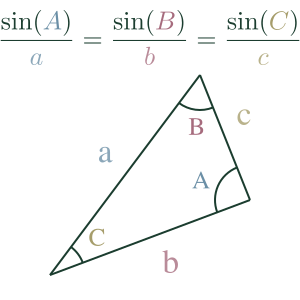
Law of Sines
Tells us the ratio between the sine of an angle and the side opposite it will be constant for all angles in a triangle
-
essay
Making Song Covers With My AI Voice
Training a singing voice conversion model on my voice

-
note
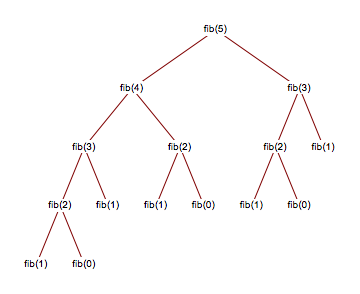
Recursion
a method of solving a problem where a function calls itself
-
note
Function
A rule that matches inputs with outputs.

-
note
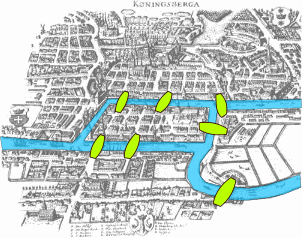
Graphs (Discrete Mathematics)
the study of graphs
-
note
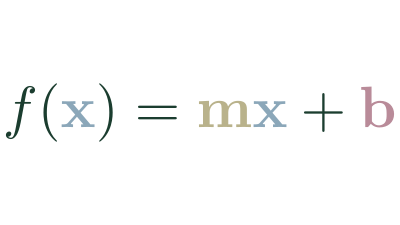
Linear Function
a function represented by a straight line on a graph
-
note
Quadratic Function
a function represented by a U-shaped curve on a graph

-
note
TF-IDF
A word numerisation technique that weights terms by their importance to a document.

-
note
Cardinality
Cardinality refers to the number of elements a set contains.

-
course
Discrete Mathematics Course Notes
Notes from Discrete Mathematics by University of London

-
note
Set
A set is a unique collection of well-defined objects.

2022 14
-
essay
Disputing a Parking Fine with ChatGPT
A use case for ChatGPT

-
note
Attention Mechanism
A technique for computing a weighted combination of a sequence of vectors, originally devised to overcome a bottleneck in seq-to-seq translation models.

-
essay
Idempotent Data Pipelines
Idempotence is a key property of a fault tolerant and easy-to-operate data pipeline

-
essay
An Interface Should Respond Within A Tenth Of A Second
Developers must be vigilant of slow user interfaces

-
essay
A Rule For Ordering Methods
Apply the Stepdown Rule to the ordering of methods

-
essay
Do Standups Story-By-Story not Person-By-Person
Start the day by focusing on the work

-
essay
Document Your Documentation
A short document that explains how your team documents things.

-
paper
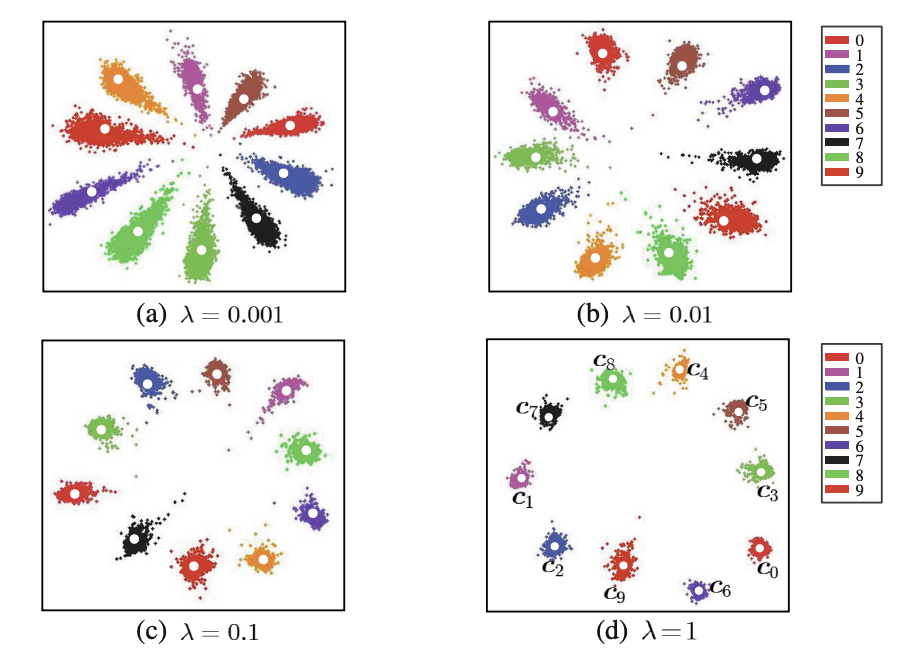
A Discriminative Feature Learning Approach for Deep Face Recognition
Notes from paper A Discriminative Feature Learning Approach for Deep Face Recognition by Yandong Wen, Kaipeng Zhang, Zhifeng Li, and Yu Qiao
-
paper
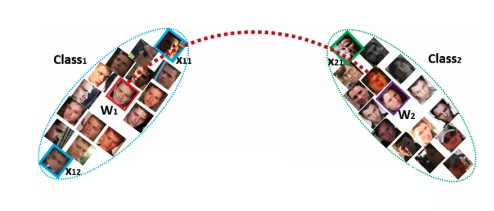
ArcFace: Additive Angular Margin Loss for Deep Face Recognition
Notes from paper ArcFace: Additive Angular Margin Loss for Deep Face Recognition by Jiankang Deng, Jia Guo, Niannan Xue, Stefanos Zafeiriou
-
note
Embedding
A learned vector representation that encodes meaning as a point in space, where similar things end up close together.
-
note
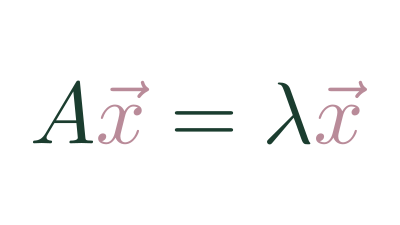
Eigenvalue
A value which describes how much a transformation scales an Eigenvector

-
note
Eigenvector
A set of vectors whose span doesn't change after a transformation.
-
course
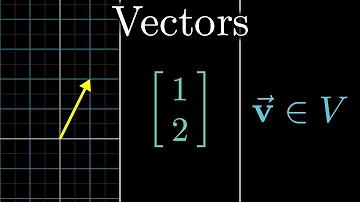
Essence of Linear Algebra
Notes from 3Blue1Brown's video series, Essence of Linear Algebra
-
note
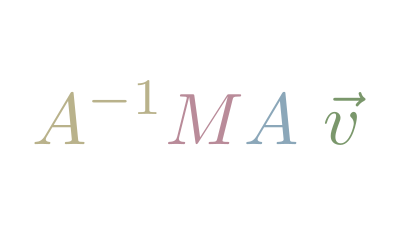
Changing Basis
Since any vectors can be Basis Vectors, it's useful to understand how to translate vectors between bases
2021 89
-
note
Roblox Attachment
An object that describes a point and orientation relative to a BasePart

-
note
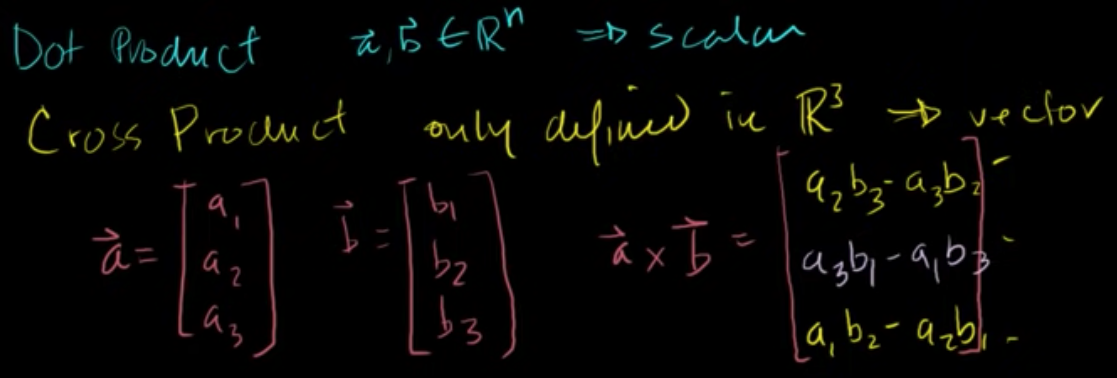
Cross Product
An operation between two 3d vectors that returns a vector.

-
course
Cross product introduction
Notes from Cross product introduction by Khan Academy.
-
note
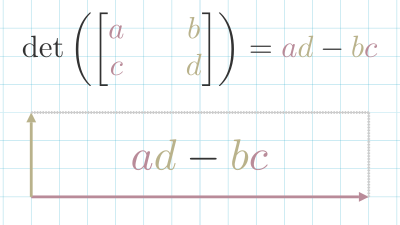
Matrix Determinate
A measure of how a matrix scales space.
-
note
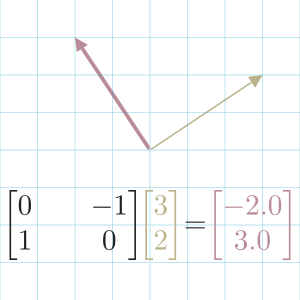
Matrix Transformation
A matrix as a transformation of a space.
-
note
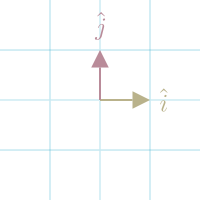
Basis Vectors
The set of vectors that defines space.
-
note
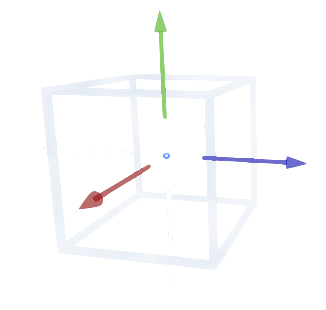
Roblox CFrame
In Roblox, a CFrame (coordinate frame) is an object that encodes position and rotation in 3D space.
-
note
Radians
A measurement of an angle in radiuses

-
note
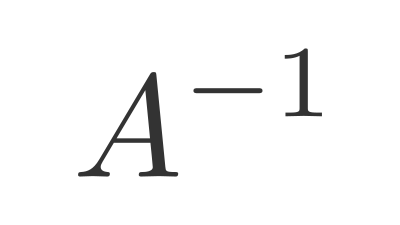
Matrix Inverse
A matrix that reverses a transformation.
-
note
Identity Matrix
A square matrix with 1s on the diagonal and 0s elsewhere: multiplying by it leaves any matrix unchanged.

-
course
Mathematics for Machine Learning
Notes from Coursera's Mathematics for Machine Learning: Linear Algebra by Imperial College London
-
note
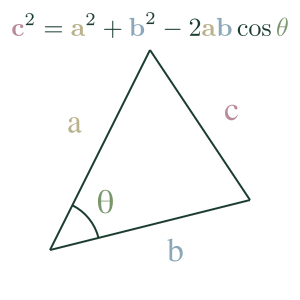
Law Of Cosines
The Law of Cosines expresses the relationship between the length of a triangle's sides and one of its angles.
-
course
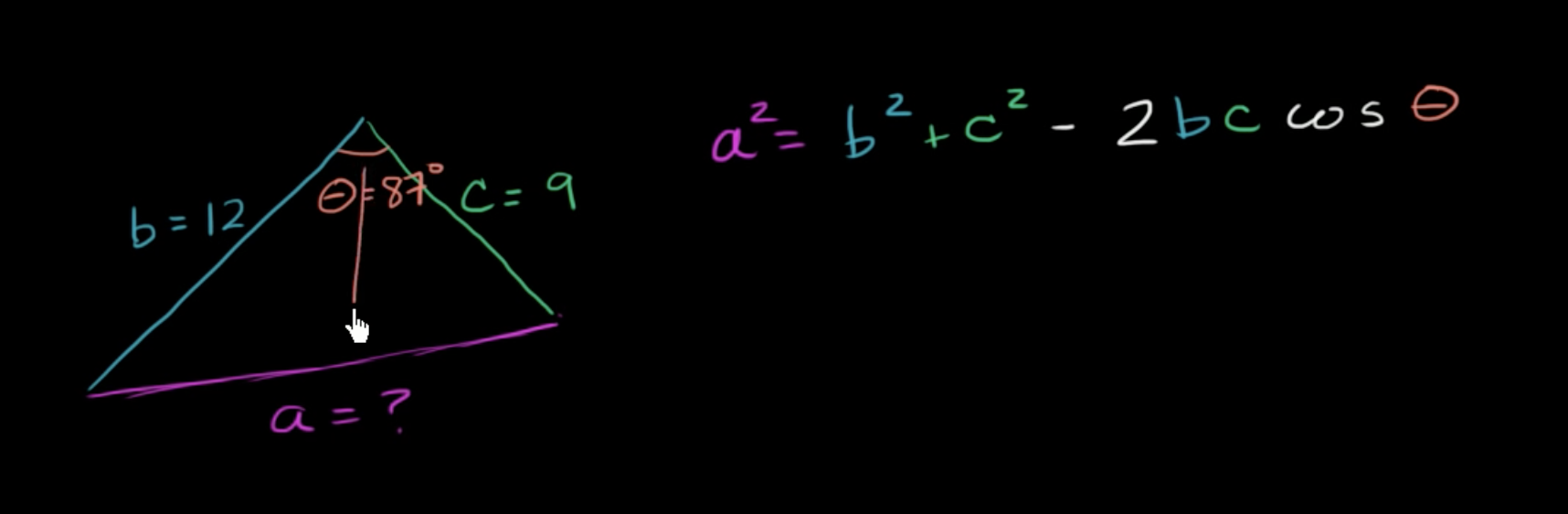
Law of cosines (Khan Academy)
Notes from the Khan Academy video series on the Law of Cosines
-
note
Roblox Vector3
Roblox's 3D vector type.
-
course
Deep Learning for Coders (2020)
Notes from the Deep Learning for Coders (2020) video series by Jeremy Howard and Sylvain Gugger (fast.ai)
-
note
Matrix Multiplication
An operation between two matrices that produces a new matrix via row-column dot products.
-
note
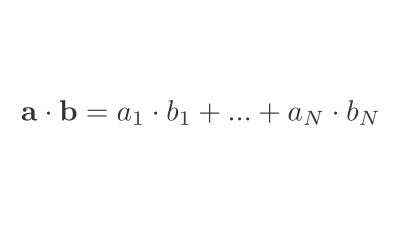
Dot Product
An operation between 2 vectors that returns a number.
-
note
Binary Cross-Entropy Loss
A loss function for binary and multi-label classification, also known as log loss.
-
note
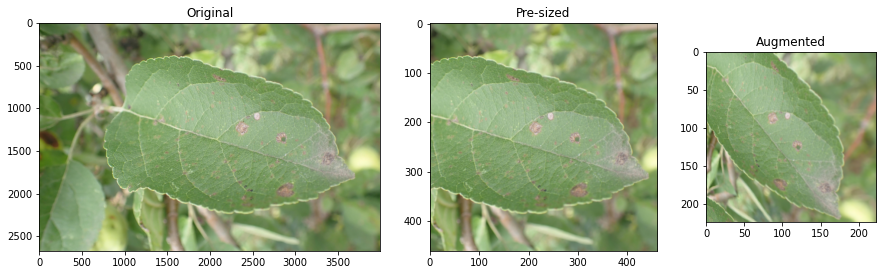
Presizing
Resize images to a larger intermediate size before augmenting.
-
note
Categorical Cross-Entropy Loss
A loss function for multiclass classification: softmax followed by negative log-likelihood.
-
note
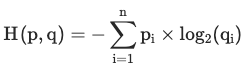
Cross-Entropy
A measure of how well one probability distribution encodes events from another.
-
note
Information Entropy
A measure of uncertainty — highest when all outcomes are equally likely, lowest when one dominates.

-
note
Negative Log-Likelihood
a multi-class classification loss function

-
note
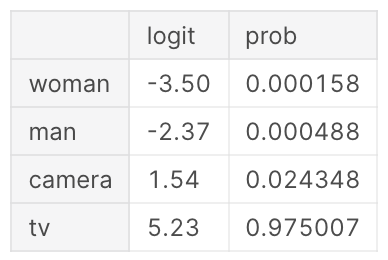
Softmax Function
Converts a vector of numbers into probabilities that sum to 1.
-
note
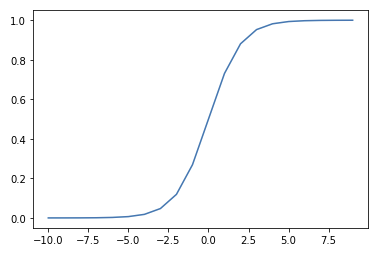
Sigmoid Function
Squeezes any number into a range between 0 and 1.
-
note
Domain Shift
When production data diverges significantly from the training dataset

-
note
Server Authoritative Multiplayer
A multiplayer architecture where the server is the single source of truth for game state.

-
note
Out-of-Domain
When the production data is significantly different from the training distribution.

-
note
Proxy Metrics
Metrics are usually a proxy for what we really care about

-
book
How to Take Smart Notes
Notes from Sönke Ahrens' guide to the Zettelkasten note-taking system.

-
note
Fleeting Notes
Temporary captures of ideas to be processed into permanent notes.

-
note
Literature Notes
Notes that capture source material in your own words, as an intermediate step toward permanent notes.

-
note
Permanent Notes
Atomic, self-contained notes that capture a single idea and link to related ones.

-
note
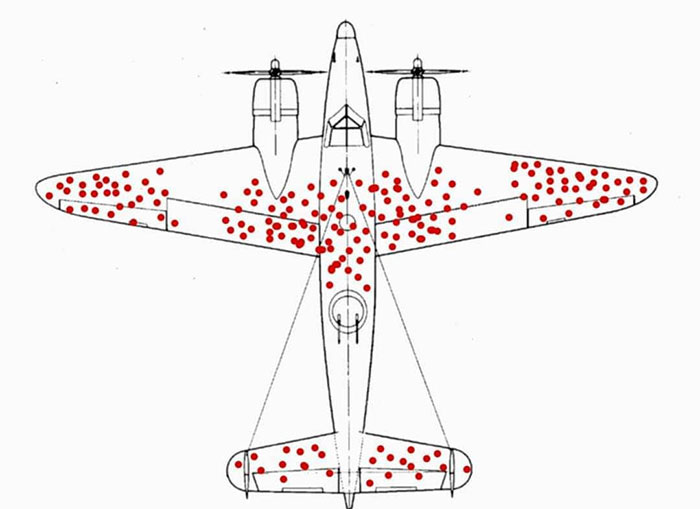
Survivorship Bias
arriving at false conclusions by only examining success cases
-
note
Latticework of Mental Models
Building a broad network of concepts across disciplines so ideas can reinforce each other.

-
note
Teaching the whole game
Starting with the big picture.

-
note
Topic Overview (Zettlekasten)
The entry point for a cluster of ideas.

-
note
Adversarial Validation
A technique for measuring how different your test set is from your training set.
-
note
Voxel
A single datapoint in a 3d-grid, the word is a combination of "volume" and "pixel"

-
note
Promotion vs Calibration
Promotion means proving you can already do the next job.
-
note
Confirmation Bias
The tendency to seek out information that confirms what we already believe.
-
note
Breaks Are Essential For Learning
Your brain consolidates information into long-term memory while it's on break.
-
note
Growth Mindset
The belief that any skill can be mastered through effort, rather than being fixed at birth.
-
note
Encapsulation
Protecting code against invariant violations by making the wrong thing impossible.
-
note
Well-Designed API
Make the wrong thing impossible.
-
note
Black-box Tests
Tests written without knowledge of the software's internal structure

-
note
Four Pillars of Good Unit Tests
Khorikov's 4 pillars of good unit tests
-
note
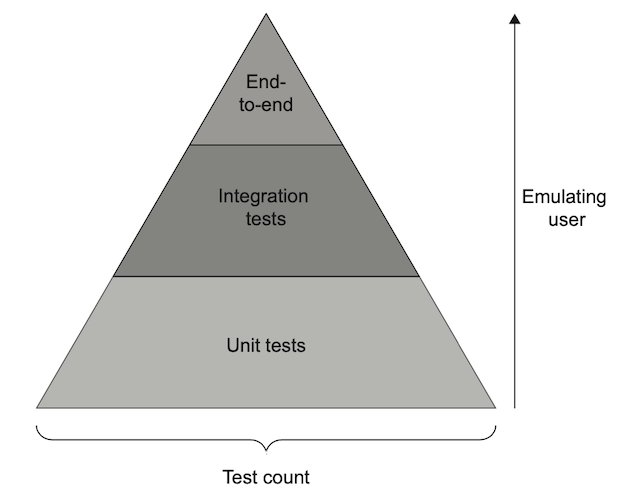
Test Pyramid
A prescripted balance of automated test types
-
note
CAP Theorem
Consistency, availability, and partition tolerance — pick two.
-
note
Arrange, Act and Assert (AAA) Pattern
A pattern for structuring unit tests
-
note
Unit tests
An automated test which verifies a single unit of behaviour, runs quickly and in isolation
-
note
Entropy
A measure of disorder — the number of possible states a system can be in.
-
note
Software Entropy
The tendency for codebases to become harder to change as they grow.
-
note
Test Coverage Metrics
Metrics that answer the question : how much of our code is executed by our tests?
-
book
The Art of Game Design - A Book Of Lenses (2nd Edition) by Jesse Schell
Notes from Jesse Schell's comprehensive guide to game design.
-
note
Red Ocean
A market with a lot of competitiors fighting for dominance

-
note
Multiple Inheritance
When an object inherits from multiple parents.
-
note
Object Prototypes
OOP in Lua via prototypal inheritance: objects delegate missing field lookups to a prototype table.
-
note
Lua Table-Access Metamethods
Metamethods for intercepting table reads and writes: the foundation of OOP in Lua.
-
note
Metatables
A table attached to another table to define its custom behaviour, via metamethods like __add and __index.
-
note
Player Dependance in Multiplayer Games
Strong multiplayer communities form when players genuinely need each other to succeed.
-
note
Character Web
A map of what each character thinks of every other character.
-
note
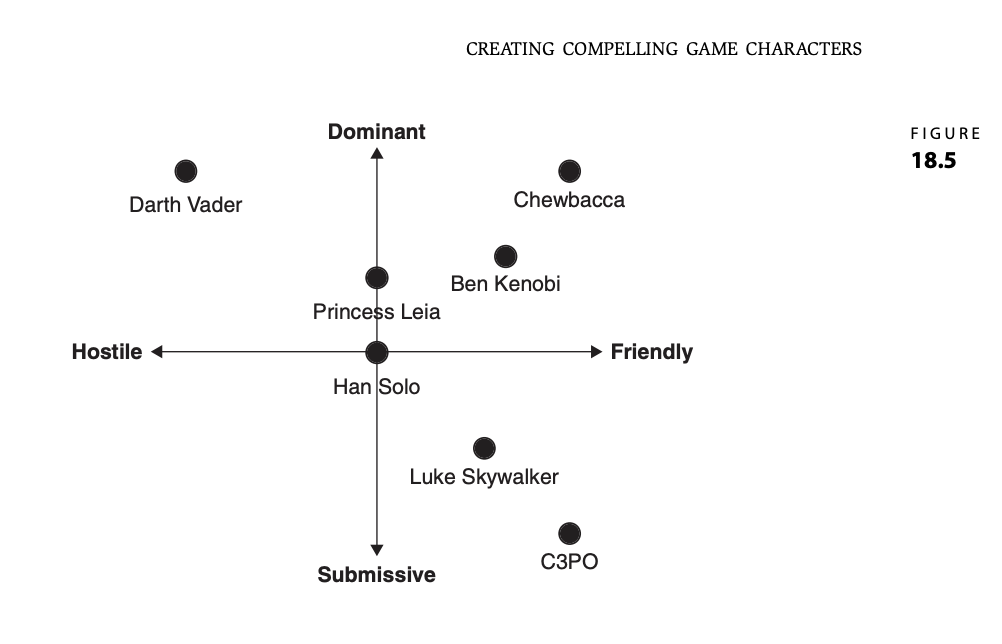
Interpersonal Circumplex
A two-axis diagram for visualising character relationships in a story.
-
note
Transmedia Worlds
A fictional world that can be entered through many different types of media.
-
note
Indirect Control
The art of guiding players through your experience, while still making them feel in control.
-
note
Integer
A 32-bit number encoding, either signed (-2B to 2B) or unsigned (0 to 4B).
-
note
The Story Machine
A game designed to generate a unique story each playthrough rather than follow a scripted one.
-
note
Interest Curve
A graph of expected player interest over time.
-
note
Goal Of A Game Interface
Make players feel in control of their experience.
-
note
Lua Coroutines
Functions that can pause and resume execution, similar to Python generators.
-
note
Doubling or Halving as a Game Balancing Technique
When tuning game values, double or halve them instead of nudging: it makes the effect obvious.
-
note
Meaningful Game Economies
A game economy is meaningful when spending and earning money form a rewarding loop.
-
note
Emergent Complexity
Complex interactions that arise naturally from a simple ruleset.
-
note
Emergent Gameplay
Strategic actions that aren't in the rules but arise naturally from playing the game.
-
note
Variable Rewards
On the power of unpredictable rewards.
-
note
Key to Addictive Game Design
Addictive games keep players exercising a skill, taking risks, and working a strategy simultaneously.
-
note
50% Rule for Game Development
Plan to ship at half the budget, use the rest to make it great.
-
note
Game Design is Problem Solving
Define the problem clearly before designing.
-
note
Meaningful Choices in Games
Choices only matter if the options are meaningfully different and none is obviously dominant.
-
note
Roblox Visualising Opposing Forces
Visualising Newton's 2nd law and opposing forces using Roblox's BodyForce object.
-
note
String of Pearls
A linear story interrupted by gameplay segments.
-
note
Triangularity In Game Design
High-risk, high-reward choices that make games fun.
-
note
Unified Themes of Games
Every element of a game should reinforce a single theme.
-
note
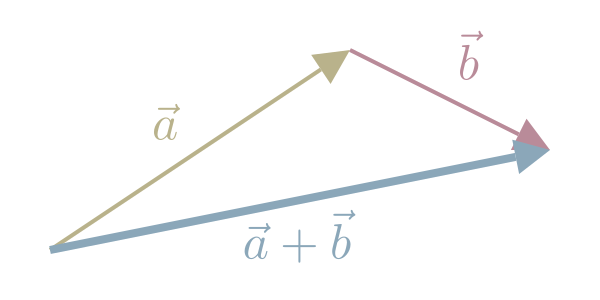
Vector Addition
Adding two vectors by summing their corresponding components.
-
note
Vector Subtraction
Subtracting two vectors by subtracting their corresponding components.

-
note
Rule of Loop
The more times you test and improve your design, the better your game will be.

-
note
Iterative Development
deliver working software frequently

-
note
Expected Value
The sum of weighted outcomes divided by total outcomes
-
note
Loss Adversion
The tendency to prefer avoiding losses over acquiring equivalent gains.
2020 9
-
note
Newton's Laws Of Motion
An object at rest stays at rest, F=ma, and every action has an equal and opposite reaction.
-
note
Flow State
Complete immersion in an activity with energised focus — also known as "in the zone".
-
note
Key Components of Flow For Players
Clear goals, immediate feedback, and continuous challenge pitched between boredom and frustration.
-
note
Vector
An ordered list of numbers that describe an arrow in space.

-
note
Vector Scaling
Multiplying each value in a vector by the same value

-
note
Roblox Raycasting
A method of detecting nearby objects in 3D space.
-
note
Raycasting
A rendering technique that casts rays for each vertical slice of the screen.
-
course
Basic geometry: language and labels
Notes from Khan Academy video Basic geometry: language and labels

-
note
Ray
A line-like figure that continue indefinitely in one direction

2018 1
-
course
Fast.ai: Deep Learning 2018
Course notes from fastai's Deep Learning 2018
2017 6
-
note
SMOTE
a technique for adding class imbalance by creating synthetic examples

- course Convolutional Neural Network (Coursera)
-
note
K-Means
an unsupervised clustering algorithm

- course Improving Deep Neural Networks: Hyperparameter tuning, Regularization and Optimization (Coursera)
- course Structuring Machine Learning Projects (Coursera)
- course Introduction to Recommender Systems: Non-Personalized and Content-Based
2016 8
-
note
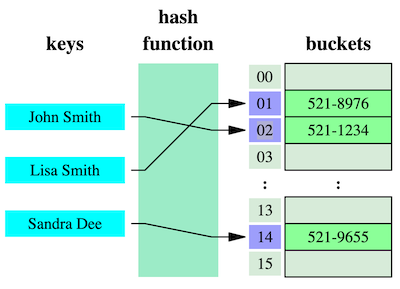
Hash Table
a key-value pair data structure with constant time data access
-
course
Data Structures and Performance
Course notes from Data Structures and Performance on Coursera
-
course
Machine Learning: Classification

-
essay
Migrating TB HBase datasets across datacenters
Practical notes on migrating a 2TB HBase cluster from Rackspace to AWS with minimal downtime using CopyTable.
-
essay
Recursive queries in PostgreSQL
Walking tree-structured data in PostgreSQL.
-
note
Mean Absolute Error
The average absolute difference between predictions and labels, less sensitive to outliers than RMSE.
-
course
ML Regression
Notes from Machine Learning: Regression by University of Washington on Coursera.
-
note
Root Mean-Squared Error
A regression metric that penalises large errors.
2015 3
-
note
Hyperplane
a subspace where the dimension is one less than the ambient space

-
course
Machine Learning Foundations: A Case Study Approach
Notes from Coursera's Machine Learning Foundations: A Case Study Approach by Emily Fox and Carlos Guestrin
-
note
Principal Component Analysis
a technique for reducing the dimensionality of data

2014 1
-
note
Dijkstra's Shortest Path Algorithm
An elegant algorithm for finding the shortest path between nodes in a graph.
2013 8
- course Computational Investing Part I (Coursera)
-
course
Statistics (Udacity - st095)
Notes from Statistics (st095) by Udacity
-
essay
Packet capturing in parallel with Ansible
An Ansible playbook for running tcpdump in parallel across many servers and collecting the captures.
- course Red Hat System Administration III with RHCSA and RHCE Exams (RH255)
-
note
fork System Call
A system call that duplicates the current process, creating a parent and child that continue from the same point.
-
note
Orphan Processes
A child process whose parent has exited.
-
note
Zombie Processes
A dead process waiting to be reaped.
-
essay
Getting Started With Ansible
An introduction to Ansible